Meat Thermometer Battery Replacement Guide: Keep Your Cooking Accurate
This comprehensive guide walks readers through the process of replacing batteries in meat thermometers, covering signs of battery depletion, different battery types, step-by-step replacement instructions, maintenance tips, and troubleshooting. The post provides practical value while naturally mentioning the TITAN GRILLERS brand and linking to related content.
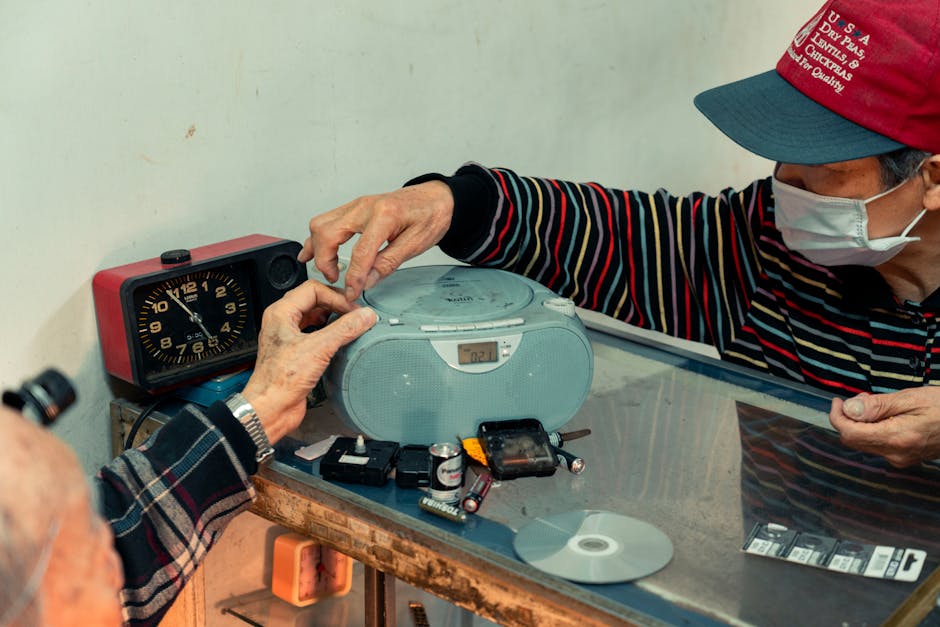
Most digital meat thermometers use a CR2032 coin cell or a standard AAA/AA battery. Replacement takes under 2 minutes. What most people don't know is that a low battery doesn't just dim the display — it can slow your response time and cause inaccurate readings before showing any visible sign of weakness.
Why Battery Health Matters for Accuracy
A thermometer's sensor needs a stable voltage to process temperature data accurately. Most thermistor-based digital units require 2.8–3.3V to function properly. A fresh CR2032 delivers 3V; a partially depleted one delivers 2.5–2.7V. In that low-voltage range, some units start returning readings that are 1–3°F lower than actual temperature.
That 2°F difference might not sound like much. At 163°F for chicken breast, it means you're 2°F short of the 165°F safety threshold and don't know it. The display looks normal. The reading looks plausible. The battery is just quietly lying to you.
Low battery also slows response time. The processor that converts the sensor signal to a display reading works slower with less power — extending your effective read time from 3 seconds to 6–8 seconds. On thin cuts, that costs you accuracy through carryover alone.
Battery Types by Thermometer
| Battery Type | Common Thermometers | Typical Life | Cost |
|---|---|---|---|
| CR2032 (coin cell) | ThermoPro TP19, most budget instant-reads | 1,500–3,000 hours of use | $1–2 each |
| CR2 (cylinder) | Thermapen One, some ThermoWorks models | 3,000+ hours | $3–5 each |
| AAA (2x) | ThermoPro TP25 base, wireless receivers | 6–12 months typical use | $0.50–1 each |
| AA (2–4x) | Wireless receivers, display units | 6–12 months typical use | $0.50–1 each |
| Rechargeable (USB-C) | FireBoard 2, some premium wireless units | 8–24 hours per charge | Built-in |
Step-by-Step Battery Replacement
Step 1: Identify the Battery Compartment
On foldable instant-reads: the battery compartment is usually on the back of the handle, accessed by a small Phillips or flathead screw. Some models (ThermoPro TP19H) use a push-slide mechanism — no tools needed.
On Thermapen models: the battery (CR2) is inside the handle, accessible by opening the probe and sliding the battery door. Check your model's manual — ThermoWorks has a video for each model.
On wireless base units: typically a flip-open compartment on the bottom of the display/transmitter, held by a press-clip.
Step 2: Gather the Right Battery
Check the old battery or the compartment label before buying. The most common confusion: CR2032 (flat coin cell, 20mm diameter) vs. CR2016 (same diameter, half the thickness) vs. CR2 (cylindrical, different form factor entirely). These are not interchangeable. A CR2016 in a CR2032 slot will make contact but delivers half the power — leading to the slow/inaccurate readings described above.
Step 3: Open the Compartment
For screw-secured compartments: use the correct screwdriver size. Forcing an ill-fitting screwdriver strips the head, making future replacements harder. A small Phillips (PH0 or PH00) handles most thermometer screws.
Don't overtighten when reassembling. The screws are usually self-tapping into plastic — one extra quarter-turn past snug and you've stripped the hole.
Step 4: Remove and Inspect the Old Battery
Note the orientation before removing (positive side up/down, marking on the battery). Check the compartment for corrosion — white or green residue means the old battery leaked. Clean with a cotton swab dipped in white vinegar, let dry completely before inserting the new battery.
Step 5: Insert the New Battery
Match orientation exactly. The positive (+) side of a coin cell should face as indicated by the compartment markings (usually a "+" engraved in the plastic). For AA/AAA, spring side = negative (–) terminal.
Step 6: Test Before Reassembling
Power on and run an ice bath test: 32°F ± 1°F. If it powers on but reads off, check orientation again. If it doesn't power on, check that you have the correct battery type.
Step 7: Reassemble
Replace the cover and snug down any screws. Don't use thread-locking compound — you'll need to get in there again in 1–3 years.
Model-Specific Notes

Thermapen One: Uses a CR2 battery. Access by opening the probe and sliding the battery door on the handle. The unit has a battery percentage indicator in the display. ThermoWorks ships replacement CR2 batteries if you buy directly from them.
ThermoPro TP19H/TP19: CR2032. No tools needed — push-slide compartment on the back. Battery lasts approximately 3,000 hours according to ThermoPro. Replace when the low battery indicator appears or when you notice slower response times.
ThermoPro TP25 (base unit): 3 AAA batteries in the display receiver. Transmitter probes are USB rechargeable. Replace receiver batteries when range decreases noticeably (this is usually the first sign of battery decline in Bluetooth units).
Lavatools Javelin Pro Duo: CR2032, accessed via a small Phillips screw on the back panel. Rated 3,000+ hours. Display shows low battery indicator.
ThermoWorks Signals: Rechargeable via USB-C. Full charge from empty takes about 2 hours. Battery life is 20–40 hours per charge depending on usage and Bluetooth/WiFi active time.
Extending Battery Life
- Store the probe folded. Most instant-reads auto-power-off when folded. If yours doesn't, turn it off manually — don't leave it powered on in a drawer.
- Keep it at room temperature. Cold temperatures reduce battery capacity — a thermometer stored in a cold garage or fridge will drain faster and may read slower in the first few seconds of use until it warms up.
- Use name-brand batteries. The voltage consistency from Duracell or Energizer is meaningfully better than generic coin cells. For a $2 battery in a $50 tool, buy the name brand.
- Replace proactively, not reactively. If you know a big cook is coming (Thanksgiving, a party), replace the battery a week before. Don't find out it's dead when there's a 20-lb turkey in the oven.
Common Mistakes
Buying the Wrong Coin Cell
CR2032, CR2025, CR2016, and CR2 are all different batteries. The CR numbers encode the dimensions: CR2032 = 20mm diameter, 3.2mm thick. CR2016 = 20mm diameter, 1.6mm thick. A CR2016 will fit in a CR2032 slot but provide half the power and cause the issues described in the accuracy section. Always check before buying.
Ignoring Corrosion in the Compartment
A small amount of dried white residue from a leaking battery will block the electrical contacts. Clean it out before inserting a new battery. Skipping this step means the new battery won't power the unit properly despite being fresh.
Stripping the Battery Compartment Screws
Use the correct screwdriver size. If the screw is stripped, you can often remove it with a rubber band between the screwdriver and screw head (adds grip). Prevention is easier — use the right tool the first time.
Not Testing After Replacement
Do the ice bath test every time you replace a battery. The replacement process can joggle the probe connections or reveal a pre-existing calibration issue you hadn't noticed. 3 minutes after every replacement, every time.
Pro Tips
Keep a spare battery taped to the back of the thermometer. Not inside the compartment — that adds bulk and risks rattling. Tape it to the outside. Then you know where it is when you need it.
Note the date when you install a new battery. Write it on a small piece of tape on the thermometer handle. "Installed 10/2025" tells you next time whether you're due for a proactive replacement.
For wireless monitoring units, rotate to a wired power source when possible. If your FireBoard or Signals unit is near an outlet, plugging in via USB-C during a long smoke extends battery life significantly and eliminates the risk of running out mid-cook.
Safe cooking temperatures don't change based on your battery — check USDA safe minimum temperatures as a reference whenever you're unsure of targets, and USDA food safety guidelines for broader context.
FAQ
How do I know when my thermometer battery needs replacing?
Most digital thermometers show a low battery indicator on the display — look for a battery icon or "Lo" symbol. Before that appears, watch for slower response times (readings taking 6–8 seconds instead of 3–4) and dimming display. Do a proactive ice bath test if your reads seem off — a dying battery can cause 1–3°F inaccuracy before any visual warning.
What battery does the ThermoPro TP19H use?
CR2032 coin cell battery. Access the compartment by pushing the slide tab on the back of the handle — no tools needed. ThermoPro rates the battery at approximately 3,000 hours of use. Replace when the low battery indicator appears or response time slows noticeably.
Can a low battery cause my thermometer to read inaccurate temperatures?
Yes. Thermistor-based thermometers require stable voltage (typically 2.8–3.3V) for accurate readings. A depleted battery delivering 2.4–2.6V can cause readings 1–3°F below actual temperature in some units. The effect varies by model and degree of depletion. Proactive replacement before a battery-low warning is the safe approach.
Is a CR2032 the same as a CR2016?
No. Both are 20mm diameter, but the CR2032 is 3.2mm thick and the CR2016 is 1.6mm thick. A CR2016 will fit in a CR2032 slot but provides half the power capacity and shorter life. Always check the battery compartment label or manual for the correct type.
How long should a thermometer battery last?
Most digital instant-reads with CR2032 batteries are rated 1,500–3,000 hours. At daily 5-minute use, that's 3–10 years of battery life. At weekly use, potentially longer. Wireless transmitter batteries typically last 6–12 months because they're actively broadcasting rather than sitting idle.
What do I do if my thermometer still doesn't work after replacing the battery?
Check battery orientation first — reversed polarity is the most common cause of no-power after replacement. Then inspect the contact springs in the compartment for corrosion (clean with white vinegar if present). If neither fixes it, check that you have the correct battery type and it's fully seated. If it still fails, the unit may have a separate hardware issue — contact the manufacturer, as many brands offer warranties of 1–2 years.
Recommended by Titan Grillers
IP67 Waterproof Digital Meat Thermometer
Reads in 2–3 seconds · Backlit LCD · Built-in magnet · Free returns
Free BBQ Calculators
Use our free tools to nail your cook times, temperatures, and quantities every time.
You Might Also Like



Join the Grill Masters Club
Get exclusive recipes, techniques and special offers on our premium meat thermometers.