Why Different Meats Need Different Target Temperatures: A Complete Guide
This comprehensive guide explains why different types of meat require different cooking temperatures, covering food safety aspects, texture and flavor considerations, and specific temperature guidelines for beef, pork, poultry, lamb, and ground meats. The article emphasizes the importance of using a quality meat thermometer and includes practical advice for avoiding common temperature-related cooking mistakes.

Quick Reference Temperature Chart
| Meat | USDA Safe Temp | Pull Temp (carryover) | Rest Time |
|---|---|---|---|
| Chicken (all) | 165°F (74°C) | 160°F | 5 min |
| Turkey (whole) | 165°F (74°C) | 160°F | 20–30 min |
| Ground beef / turkey | 160°F (71°C) | 160°F (no carryover benefit) | None required |
| Beef steaks (medium-rare) | 145°F (63°C) | 125°F for medium-rare | 3–5 min |
| Beef roasts | 145°F (63°C) | 135°F for medium | 15–20 min |
| Brisket (BBQ) | 145°F safe; 195–205°F for tenderness | 200–203°F | 60+ min |
| Pork chops / loin | 145°F (63°C) | 140°F | 3 min |
| Pork shoulder (BBQ) | 145°F safe; 195–205°F for pull | 200°F | 60 min |
| Pork ribs | 145°F safe; 190–203°F for tender | 195–200°F | 10 min |
| Lamb (chops, roasts) | 145°F (63°C) | 130°F for medium-rare | 3–5 min |
| Fish (all) | 145°F (63°C) | 140°F | None |
Why Different Meats Need Different Temperatures
The reason isn't tradition or preference. It's bacteria, muscle structure, and pathogen location.
Surface vs. interior contamination. On a whole cut of beef — steak, roast, chop — bacteria live on the surface, not inside. High heat sears the exterior and kills surface pathogens, so you can serve a medium-rare steak at 130°F and it's safe. The interior was never contaminated.
Ground meat is different. When you grind beef, you're distributing the surface bacteria throughout the entire product. A burger patty has bacteria in the center. That's why ground beef requires 160°F — enough to kill bacteria throughout, not just on the surface.
Poultry has different pathogens. Salmonella and Campylobacter can colonize throughout poultry tissue, not just the surface. That's why chicken requires 165°F regardless of the cut — breast, thigh, whole bird. No exceptions. A pink center in chicken is not a technique choice; it's a health risk.
Collagen breakdown creates two targets for BBQ. Brisket and pork shoulder are safe at 145°F. But collagen — which makes these cuts tough — only converts to gelatin above 160°F, and the process takes time at 190–205°F. The BBQ target temperature isn't about safety; it's about the texture transformation that makes pulled pork and brisket what they are.
The USDA safe minimum internal temperatures are based on pathogen destruction science, not preference. These are the floors, not suggestions.
Beef Temperatures
| Doneness | Internal Temp | Color/Texture |
|---|---|---|
| Rare | 120–125°F | Bright red center, very soft |
| Medium-Rare | 130–135°F | Pink-red center, slightly firm |
| Medium | 140–145°F | Pink center, firm |
| Medium-Well | 150–155°F | Slightly pink center |
| Well Done | 160°F+ | Gray throughout, firm |
USDA safe minimum for whole beef cuts is 145°F with a 3-minute rest. Most chefs cook steaks to 130–135°F (medium-rare) — this is below USDA safe for ground beef, but fine for intact muscle cuts where surface bacteria is destroyed by the sear. This is an informed choice, not a mistake.
For brisket, you're cooking to 195–205°F for the collagen breakdown that makes it tender — safety was achieved hours earlier at 145°F.
Poultry Temperatures
No doneness spectrum here. Chicken and turkey are cooked to 165°F, period. There is no "medium-rare chicken." The texture preference below 165°F doesn't justify the Salmonella risk.
| Cut | Safe Temp | Where to Probe |
|---|---|---|
| Chicken breast | 165°F | Thickest part, away from bone |
| Chicken thigh/leg | 165°F | Thickest part, away from bone |
| Whole chicken | 165°F | Innermost thigh, away from bone |
| Turkey (whole) | 165°F | Innermost thigh AND thickest part of breast |
| Ground turkey / chicken | 165°F | Center of the patty or loaf |
Use the chicken temperature guide for detailed probe placement by cut and cooking method.
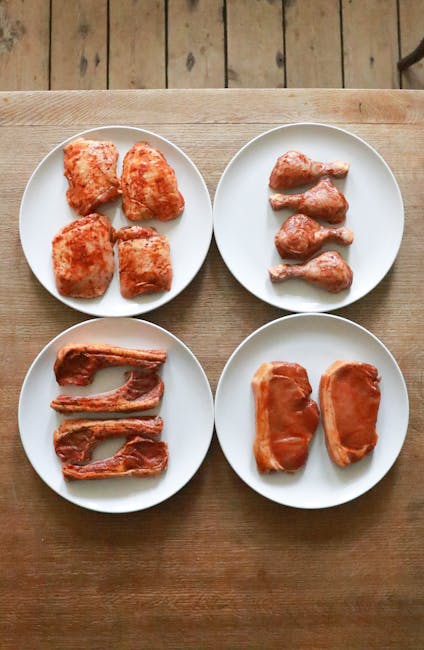
Pork Temperatures
The 2011 USDA revision lowered the safe temperature for whole cuts of pork from 160°F to 145°F with a 3-minute rest. This was based on updated research. A pork loin at 145°F will have a slightly pink center — that's safe and intentional, not undercooked.
Your parents' advice to cook pork to 160°F came from the old standard. The new standard is 145°F for whole cuts. Ground pork remains at 160°F.
| Cut | Safe Temp | BBQ/Tender Temp |
|---|---|---|
| Pork chops / loin | 145°F | N/A (serve at 145°F) |
| Pork shoulder (pulled) | 145°F | 195–205°F for pull |
| Ribs (baby back / spare) | 145°F | 190–203°F for fall-off texture |
| Ham (fresh/raw) | 145°F | N/A |
| Ground pork | 160°F | N/A |
For pork shoulder cooks, plan for 10–16 hours at 225°F to reach 200–205°F. Food safety happened around hour 3; everything after that is texture.
Lamb Temperatures
Lamb follows the same logic as beef — whole cuts can be cooked to personal doneness preference (medium-rare is 130–135°F), while ground lamb requires 160°F. The USDA minimum for whole lamb cuts is 145°F with a 3-minute rest.
| Doneness | Internal Temp |
|---|---|
| Medium-Rare | 130–135°F |
| Medium | 140–145°F (USDA safe) |
| Well Done | 155–160°F |
Fish and Seafood Temperatures
Fish is safe at 145°F. Many chefs pull fish at 125–130°F for texture — particularly salmon — accepting a small safety trade-off for a much better eating experience. That's a personal choice. For cooking fish for vulnerable populations (elderly, pregnant, immunocompromised), 145°F is the appropriate target.
| Type | Safe Temp | Chef's Preferred Temp |
|---|---|---|
| Salmon | 145°F | 125–130°F (silky texture) |
| Tuna | 145°F | 115–120°F (medium-rare) |
| White fish (cod, halibut) | 145°F | 135–140°F |
| Shrimp / scallops | 145°F | Look for opaque flesh, 120–125°F |
Carryover Cooking: Pull Temperatures vs. Serving Temperatures
When you pull meat off heat, the temperature continues to rise for 5–15 minutes as residual heat moves from the outer layers inward. For thick cuts, this rise can be 5–10°F. For very large roasts (whole turkey, prime rib), it can reach 15°F.
This means you pull the meat before it hits the target serving temperature, then let it rest. The final temperature is what you're aiming for.
| Cut | Pull At | Expected Carryover | Final Temp |
|---|---|---|---|
| Steak (1.5 in) | 125°F | +5°F | 130°F (medium-rare) |
| Pork loin | 140°F | +5°F | 145°F |
| Chicken breast | 160°F | +5°F | 165°F |
| Whole turkey | 155–160°F | +10–15°F | 165–170°F |
| Prime rib (6 lb) | 120°F | +10°F | 130°F (medium-rare) |
Brisket and pork shoulder don't benefit from carryover the same way — they're cooked to 195–205°F intentionally, and carryover of 5°F doesn't change the result meaningfully. For these cuts, accuracy at the target range matters more than carryover math.
How to Use This Chart
Three rules for using temperature charts correctly:
- Probe placement matters. The thickest part of the cut, away from bone, away from fat pockets. Bone conducts heat differently than muscle; fat pockets run hotter. A probe in either gives you a misleading reading.
- Multiple spots on large cuts. A whole turkey or large brisket can have 10–15°F variation across the cut. Check the thickest point and the thinnest point. The thinnest point finishes first — serve when the thickest point is done.
- Know whether you're aiming for safety or texture. For brisket and pork shoulder, the texture target (195–205°F) is much higher than the safety target (145°F). Don't pull at 145°F thinking you're done — the meat will be safe but tough.
See the USDA food safety hub for the official guidance these temperatures are based on.
FAQ
Why can I eat rare beef but not rare chicken?
In whole beef cuts, bacteria live on the surface. A proper sear kills surface bacteria, leaving the interior safe even at rare temperatures. Chicken can harbor Salmonella throughout the tissue, not just on the surface, so the entire cut must reach 165°F for safety.
Is it safe to eat pork with a pink center?
Yes — if the center reached 145°F with a 3-minute rest. The USDA updated the safe temperature for whole pork cuts in 2011. A slightly pink center in a properly cooked pork chop or loin is safe. Ground pork still requires 160°F.
What's the difference between safe temperature and ideal texture temperature for BBQ?
Brisket is safe at 145°F but tough — the collagen hasn't converted to gelatin yet. The ideal texture happens at 195–205°F, which takes 8–14 hours of low-and-slow cooking. You're cooking far above the safety threshold to achieve the texture BBQ is known for.
How much does carryover cooking affect temperature?
Depends on the size of the cut and how hot the cooking environment was. Small cuts (steaks, chicken breasts) rise 5°F after removal. Large cuts (whole turkey, prime rib) can rise 10–15°F. High-heat cooking produces more carryover than low-and-slow. Account for this by pulling slightly early.
Can I use the same target temperature for all cooking methods?
Yes. The safe internal temperature is based on pathogen destruction, which happens at the same temperature regardless of whether you used a grill, oven, smoker, or stovetop. 165°F kills Salmonella in chicken whether you grilled it or roasted it.
What thermometer placement gives the most accurate reading?
Insert the probe into the thickest part of the cut, avoiding bone, fat pockets, and the very center if the cut is extremely thick (over 3 inches). For poultry, the innermost thigh (not touching bone) is the standard. For steaks, insert from the side to reach the center. For roasts, insert into the geometric center of the thickest portion.
Recommended by Titan Grillers
IP67 Waterproof Digital Meat Thermometer
Reads in 2–3 seconds · Backlit LCD · Built-in magnet · Free returns
Free BBQ Calculators
Use our free tools to nail your cook times, temperatures, and quantities every time.
You Might Also Like


Join the Grill Masters Club
Get exclusive recipes, techniques and special offers on our premium meat thermometers.