Using a Budget Thermometer for Candy and Deep Frying: A Practical Guide (2025)
This practical guide helps home cooks successfully use budget thermometers for candy making and deep frying. It covers essential considerations like temperature range requirements, proper placement techniques, and useful backup methods to ensure accuracy. The article provides specific recommendations for affordable thermometers that can handle high-heat applications while naturally incorporating the TITAN GRILLERS brand in a helpful context.

A $12 candy thermometer works fine for most home cooks. The sugar doesn't know how much you spent on the thermometer — it just needs to hit the right temperature. Here's how to make a budget tool do the job correctly.
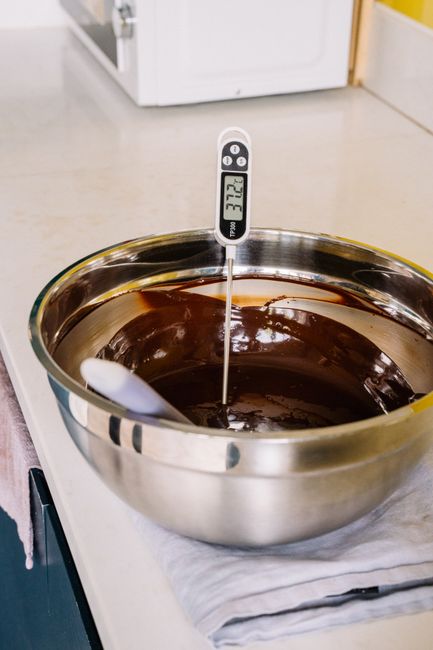
Why Temperature Matters for Candy and Frying
Sugar is not forgiving. The difference between soft-ball stage (235–240°F) and hard-crack stage (300–310°F) is 65–75 degrees. Miss that window by 10°F in either direction and you get the wrong texture — every time.
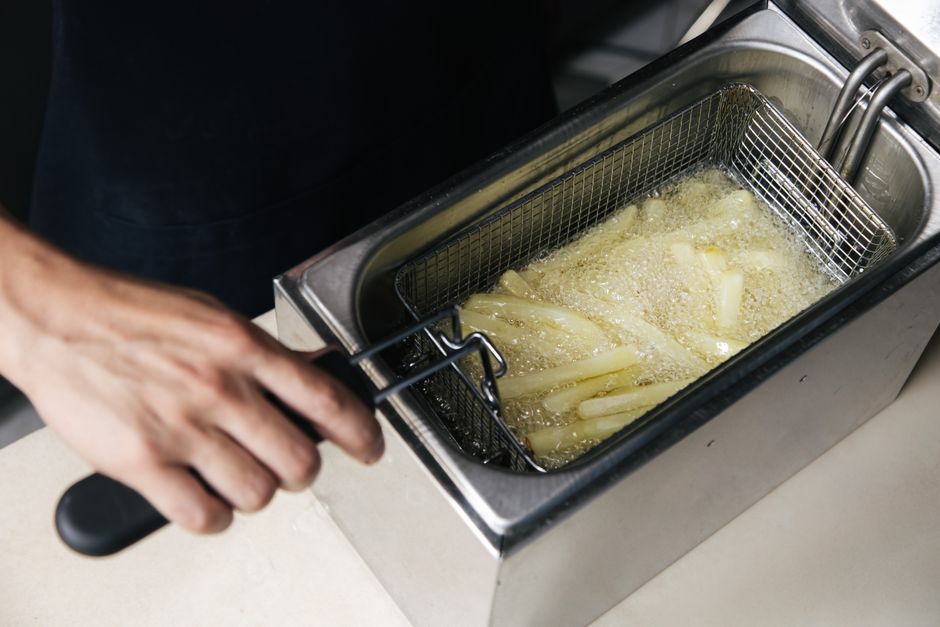
Deep frying has tighter margins than most people think. Drop chicken into 325°F oil and it absorbs grease. Push it to 375°F and the outside burns before the inside cooks. The sweet spot — 350–365°F — gives you the crispy skin without the oil-soaked interior. A thermometer is the only way to know where you actually are.
The "wooden spoon trick" and "drop a piece of bread in" methods exist because thermometers used to be expensive. They aren't anymore. Stop guessing.
What Budget Thermometers Can (and Can't) Handle
Most budget thermometers in the $8–20 range are bi-metal dial thermometers or basic digital probes. They measure up to 400–550°F, which covers every candy stage and most frying applications.
| Feature | Budget ($8–20) | Mid-Range ($25–50) |
|---|---|---|
| Max temp | 400–550°F | 550–700°F |
| Accuracy | ±2–4°F | ±1–2°F |
| Response time | 20–60 sec | 5–15 sec |
| Clip included | Usually yes | Yes |
| Good for candy | Yes | Yes |
| Good for frying | Yes | Yes |
What budget thermometers can't do well: respond quickly enough for high-heat searing (where you need a reading in under 5 seconds), and maintain accuracy after repeated exposure to temperatures above 450°F. For candy and frying, none of that matters.
One real limitation: ±4°F accuracy at hard-crack stage (300–310°F) means you could be at 296°F or 314°F when you think you're at 310°F. For most candy recipes, that's workable. For professional confectionery work, upgrade.
Candy Temperature Stages
These are the stages, what they produce, and exactly what temperatures to target.
| Stage | Temperature | Result | Used For |
|---|---|---|---|
| Thread | 230–235°F | Thin, sticky threads | Syrups, glazes |
| Soft Ball | 235–240°F | Soft, pliable ball | Fudge, pralines, fondant |
| Firm Ball | 245–250°F | Firm ball, holds shape | Caramels, nougat |
| Hard Ball | 250–265°F | Hard, rigid ball | Marshmallows, divinity |
| Soft Crack | 270–290°F | Pliable, slightly hard | Taffy, butterscotch |
| Hard Crack | 300–310°F | Brittle, snaps cleanly | Lollipops, brittles, toffee |
| Caramel | 320–360°F | Golden to dark brown | Caramel sauce, pralines |
One note on altitude: water boils at lower temperatures the higher you are. At 5,000 feet, water boils at about 202°F instead of 212°F. Your candy stages shift down by the same amount — roughly 2°F for every 1,000 feet above sea level. If you're in Denver (5,280 feet), subtract about 10°F from every target in the table above.

Deep Frying Temperature Guide
Most deep frying happens between 325°F and 375°F. The right temperature depends on what you're cooking and how thick it is.
| Food | Target Temp | Notes |
|---|---|---|
| Bone-in chicken | 325–340°F | Lower temp for thicker pieces; internal needs to hit 165°F |
| Chicken tenders / strips | 350–365°F | Fast cook, needs high temp for crust |
| French fries (first fry) | 325°F | Blanching pass; cooks interior |
| French fries (second fry) | 375°F | Crisping pass; 2–3 minutes |
| Doughnuts | 360–375°F | Too low = greasy; too high = raw center |
| Fish (battered) | 350–365°F | Thinner fillets cook fast — watch closely |
| Onion rings | 375°F | High heat, quick fry for crispy batter |
Oil temperature drops when you add cold food. A pound of cold chicken thighs can drop your oil from 350°F to 300°F instantly. Budget accordingly: preheat 10–15°F above your target, then add food and let the temp settle.
Step-by-Step: Using a Budget Thermometer
Step 1: Calibrate Before You Start
Fill a glass with ice and water. Stir for 30 seconds. Insert the thermometer. It should read 32°F (0°C). If it reads 34°F, your thermometer runs 2°F hot — adjust every reading by subtracting 2°F. Takes 2 minutes. Do it once a season.
Step 2: Clip It Correctly
The sensing tip needs to be submerged in the liquid — at least 2 inches deep for most dial thermometers. Keep it away from the bottom and sides of the pot. The bottom is hotter than the oil in the middle, which will give you a false high reading.
Step 3: Allow Time to Stabilize
Budget dial thermometers can take 20–60 seconds to stabilize. Don't read on the way up. Wait until the needle stops moving. For candy, this matters most when you're close to your target stage.
Step 4: Watch for Hotspots
On gas burners, one side of the pot often runs 15–20°F hotter. Stir candy syrups regularly. For frying oil, use a Dutch oven or straight-sided pot that distributes heat more evenly than a skillet.
Step 5: Know When to Pull
For candy: pull 2–3°F below your target. Residual heat in the pot will carry it the rest of the way. For frying oil: you're maintaining a range, not hitting an exact number. Check every 2–3 batches.
Step 6: Clean and Store Properly
Never submerge the dial housing in water. Wipe it down with a damp cloth. For digital budget thermometers, make sure the probe is completely dry before storing. Sugar residue left on a probe caramelizes and affects future readings.
Common Mistakes
Mistake 1: Trusting the Thermometer Straight Out of the Box
New thermometers are often off by 3–5°F. Calibrate first. Always. This is true for $12 thermometers and $80 thermometers alike.
Mistake 2: Touching the Bottom of the Pot
The direct heat from the burner makes the bottom of your pot much hotter than the liquid inside. Touching the bottom can give readings 20–40°F higher than actual oil temperature. Clip the thermometer so the tip floats in the middle of the liquid.
Mistake 3: Reading Too Early
Dial thermometers are slow. Reading before the needle stabilizes will give you a false low and you'll overshoot your target stage. Wait the full 30–60 seconds.
Mistake 4: Not Accounting for Temperature Drop After Adding Food
Cold food cools oil fast. A common beginner mistake is adding food to oil at exactly 350°F and wondering why the frying looks wrong — because the oil is now at 300°F. Preheat 10–15°F above target. The food load will bring it down to your range.
Mistake 5: Using a Meat Thermometer for Candy
Most instant-read meat thermometers max out at 200–250°F. Hard-crack stage is 300–310°F. Exceeding the maximum rating damages the probe and the sensor. Use a thermometer rated for high-heat applications.
Mistake 6: Ignoring Altitude
At 5,000 feet, every candy stage is 10°F lower than the chart says. If you live above 3,500 feet and your candy is always coming out wrong, this is probably why.
Pro Tips
Use a deep, narrow pot for candy. More depth means the sensing tip stays submerged even when syrup volume reduces during cooking. A tall saucepan beats a wide skillet every time.
For frying, a Dutch oven outperforms everything. The thick cast iron walls retain heat better and recover faster after adding cold food. Your temperature swings will be ±10°F instead of ±30°F.
Check oil temp between batches, not just at the start. Oil heats back up faster than you expect. Without checking, your second batch often fries at 385°F when you intended 350°F.
One thermometer can serve both purposes. If it's rated to 500°F+ and calibrated, a single budget thermometer handles candy and frying. No need for two separate tools.
For chicken specifically — once it's out of the oil, it still needs to hit 165°F internal temperature for food safety. The frying temperature gets the outside right; an instant-read thermometer confirms the inside. See the chicken temperature guide for safe pull temperatures by cut.
FAQ
- Can I use a regular meat thermometer for candy making?
- Only if it's rated above 300°F. Most standard meat thermometers max out at 200–250°F, which doesn't cover hard-crack stage (300–310°F) or caramel stage (320–360°F). Check your thermometer's maximum temperature rating before using it for candy.
- What temperature should oil be for frying chicken?
- For bone-in chicken pieces, preheat to 340–350°F — the oil will drop to 325–335°F when you add the chicken, which is the right frying range. For boneless strips and tenders, preheat to 365°F. Internal temperature must reach 165°F regardless of oil temperature.
- How do I know if my budget thermometer is accurate enough?
- Test it in boiling water (should read 212°F at sea level) and in ice water (should read 32°F). If it's consistently off by more than 4°F, either adjust your readings by that offset or replace it. For candy, ±4°F is borderline acceptable — especially near hard-crack stage where small differences matter more.
- Why does my candy keep coming out wrong even though I followed the temperature?
- Three most likely causes: (1) altitude — subtract 2°F per 1,000 feet above sea level from every target temperature; (2) uncalibrated thermometer — test in ice water and boiling water; (3) not waiting for the thermometer to stabilize — dial thermometers take 30–60 seconds to give an accurate reading.
- How do I prevent oil temperature from dropping too much when frying?
- Preheat 10–15°F above your target temperature. Don't add too much food at once — no more than fills about one-third of the pot surface. Use a heavy pot like a Dutch oven that retains heat better. Let the oil recover fully between batches.
- Is a $12 thermometer really good enough or should I spend more?
- For home candy making and occasional deep frying, a calibrated $12–15 thermometer is fine. The main limitation is response time (20–60 seconds vs 5–15 seconds for better models) and slightly lower accuracy (±4°F vs ±1–2°F). If you're making candy weekly or running a small food business, a $30–40 thermometer makes sense. For most home cooks, the cheap one works.
Recommended by Titan Grillers
IP67 Waterproof Digital Meat Thermometer
Reads in 2–3 seconds · Backlit LCD · Built-in magnet · Free returns
Free BBQ Calculators
Use our free tools to nail your cook times, temperatures, and quantities every time.
You Might Also Like


Join the Grill Masters Club
Get exclusive recipes, techniques and special offers on our premium meat thermometers.