Smoking Meat: Temperature Profiles for Different Wood Types
This comprehensive guide explores the temperature profiles of different smoking woods and how they affect barbecue results. The article covers the optimal temperature ranges for popular woods like hickory, mesquite, apple, oak, cherry, and pecan, while providing practical tips for temperature management. It includes specific wood and temperature recommendations for different meats, advanced techniques for temperature control, and emphasizes the importance of monitoring both chamber and meat temperatures for perfect results.
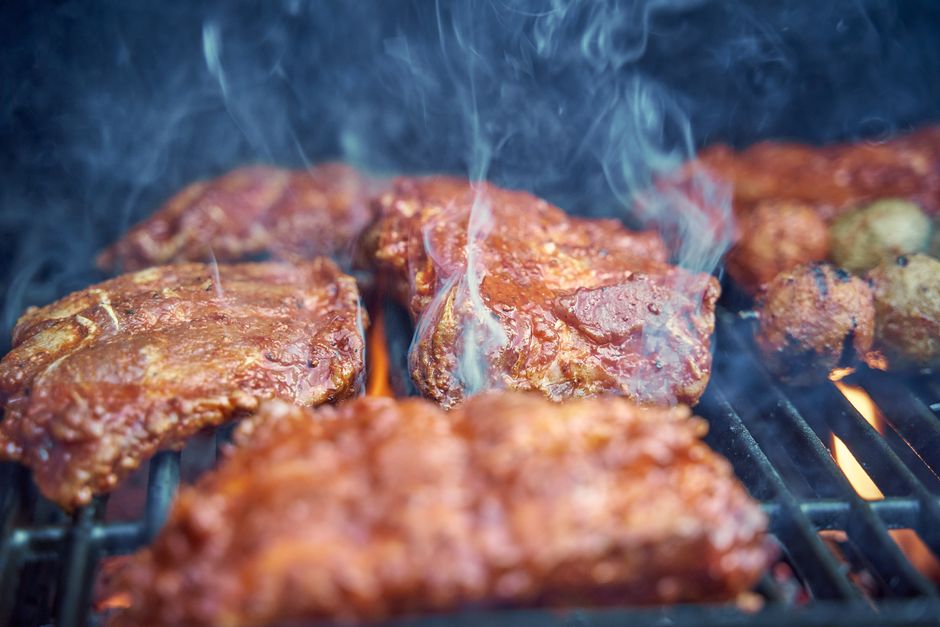
Wood choice changes the flavor of smoked meat. It does not change how you manage pit temperature — that's your fire, your airflow, and your fuel load. But it does change what the smoke deposits on the meat, which changes taste. Here's what each wood actually does, at what temperatures it performs best, and which meats it belongs on.
The Basics: How Wood Affects Smoke
All wood smoke contains hundreds of compounds. The two that matter most for flavor are guaiacol (smoky, spicy) and syringol (sweet, woody). The ratio between these — and the other volatile compounds — shifts depending on wood species, moisture content, and combustion temperature.
Combustion temperature matters more than most people realize. Wood burning at 570–750°F (complete combustion) produces clean, thin blue smoke — the kind you want. Wood smoldering below 450°F produces thick white smoke loaded with creosote, which turns meat bitter. The wood type doesn't save you from bad fire management, but choosing the right wood for the right meat makes a real difference when everything else is dialed in.
Moisture content: Fresh ("green") wood smolders and produces acrid smoke. Properly seasoned wood (6–12 months dried, 15–20% moisture) burns clean. Kiln-dried chunks or chips (under 10% moisture) burn even cleaner but faster. Either works — just not green wood.
| Wood Category | Smoke Intensity | Best Pit Temp Range | Best For |
|---|---|---|---|
| Mild (Apple, Cherry, Alder) | Light, sweet | 225–275°F | Poultry, fish, pork |
| Medium (Oak, Pecan, Maple) | Moderate, balanced | 225–300°F | Beef, pork, brisket |
| Strong (Hickory, Mesquite) | Bold, assertive | 225–275°F | Ribs, brisket, shoulders |
Temperature Profiles: What's Actually Happening
Pit temperature affects how fast wood combusts, which affects smoke quality. At 225°F (low and slow), wood burns slowly and produces smoke for longer — good for brisket and pork shoulder that need 10–16 hours. At 275–300°F, wood burns faster and produces less smoke per hour, but the cook is shorter so total smoke exposure stays reasonable.
The internal meat temperature you're targeting doesn't change based on wood — 203°F for brisket probe-tender is 203°F regardless of whether you used oak or cherry. Use our brisket cook time calculator to estimate your total cook time, then choose wood that matches that duration.

Mild Woods: Apple, Cherry, Alder
Apple
Burns clean at 225–275°F. Produces sweet, fruity smoke that complements without dominating. Takes 2–4 hours of smoke exposure before the flavor becomes noticeable on chicken. Best paired with poultry and pork — especially pork ribs where you want a subtle sweetness. Apple also helps with bark color on chicken, producing a mahogany finish rather than the pale skin you get with no smoke.
One practical note: apple burns slower than oak or hickory. If you're using chunks in an offset, you'll need to add more frequently.
Cherry
Similar smoke intensity to apple but adds a deeper red color to the bark, particularly on pork and poultry. The color effect is real — cherry contains compounds that enhance the Maillard reaction at the surface. Pitmasters mix cherry with oak or hickory for color without overwhelming smoke flavor. Works well on duck and lamb too.
Alder
The Pacific Northwest default for fish. Delicate, slightly sweet, burns at a low temperature that won't overpower salmon or trout. If you're smoking fish, alder is the right answer unless you have a specific reason to use something else. On red meat it's too mild to make much impact.
Medium Woods: Oak, Pecan, Maple
Oak (Post Oak, White Oak, Red Oak)
The Texas BBQ standard. Post oak is what central Texas brisket joints burn almost exclusively. Burns long and consistent at 225–275°F, produces a medium-strength smoke that doesn't compete with beef flavor. It's the wood that disappears into the background and lets the meat quality show.
White oak burns slightly hotter and cleaner than red oak. Both work well for brisket, beef ribs, and pork shoulder. For a 12–16 hour brisket cook, oak is the most forgiving choice — you can add too many chunks without creating bitterness the way you can with hickory.
Pecan
Sweeter and nuttier than oak, stronger than apple. Burns at 225–300°F. Good on pork ribs, chicken, and turkey. Produces a distinctive flavor that works particularly well on poultry — pecan-smoked turkey has a following for good reason. Pairs well with fruit woods (apple + pecan is a common combo for pork butt).
Maple
Mild sweetness, burns clean. Most often used for pork and poultry. Sugar maple produces slightly more aromatic compounds than silver maple. If you're smoking a pork shoulder for pulled pork, use our pork shoulder calculator for timing — maple's smoke profile is forgiving across the whole cook time.
Strong Woods: Hickory, Mesquite
Hickory
The most commonly used hardwood in American BBQ. Strong, bacon-like smoke flavor. Burns at 225–275°F. Works on ribs, pork shoulder, and bacon. The problem with hickory is that more is not better — 3–4 hours of hickory smoke is usually enough for ribs; more than that and bitterness starts. It's not forgiving the way oak is.
Common mistake: using hickory chunks for an 8-hour pork butt cook and wondering why it tastes harsh. The fix: use hickory for the first 2–3 hours, then switch to a milder wood or stop adding wood entirely once the bark is set.
Mesquite
The strongest smoke flavor of any common BBQ wood. Burns hot — mesquite fires can exceed 900°F, which is why it's used for direct-heat grilling in Texas but rarely for long low-and-slow cooks. At 225°F it still produces an intense, earthy smoke. Best for short cooks (steaks, burgers, fajita meat) where you want assertive smoke flavor quickly. For a 14-hour brisket, mesquite will turn bitter. This is not a debate.

Matching Wood to Meat: Quick Reference
| Meat | Best Wood(s) | Avoid | Target Internal Temp |
|---|---|---|---|
| Brisket | Post oak, hickory (early) | Mesquite (full cook) | 200–205°F (probe-tender) |
| Pork Ribs | Apple, cherry, pecan | Heavy hickory | 195–203°F |
| Pork Shoulder | Apple, pecan, oak | Mesquite | 195–205°F |
| Chicken / Turkey | Apple, cherry, pecan | Hickory (full cook) | 165°F (thigh) |
| Salmon / Fish | Alder, apple | Mesquite, hickory | 145°F |
| Beef Ribs | Oak, hickory | Fruit woods (too mild) | 200–205°F |
| Lamb | Cherry, oak | Mesquite | 145°F (medium) |
Always verify internal temps with a reliable thermometer — wood choice doesn't change safe temperatures. Per FoodSafety.gov's safe temperature guidelines, poultry must reach 165°F regardless of smoke color or bark appearance.
Common Mistakes
Too much smoke, too long: Smoke absorption is heaviest in the first 3–4 hours of a cook, when the meat surface is still moist and cold. After that, smoke flavor addition diminishes. Piling on wood for a 14-hour cook doesn't add 14 hours of smoke flavor — it adds bitterness after the first 4.
Using green wood: Green wood smolders instead of burns, producing creosote-heavy white smoke that coats meat with a bitter, acrid flavor. Season your wood or buy kiln-dried. There's no shortcut here.
Chips instead of chunks for long cooks: Wood chips burn in 15–20 minutes. Chunks burn for 45–90 minutes. For a 10-hour brisket, chips mean constant attention and refilling. Use fist-sized chunks for long smokes.
Mixing woods randomly: Apple + cherry works. Oak + hickory works. Mesquite + anything for long cooks doesn't. Have a reason for what you're blending.
Not monitoring pit temp separately: Wood affects flavor, but a dirty fire at 300°F instead of 225°F affects both flavor and texture. Use a leave-in probe at grate level to monitor actual cooking temperature throughout the cook.
Frequently Asked Questions
What wood is best for smoking brisket?
Post oak is the Texas standard and the most forgiving choice for brisket. It produces a medium smoke flavor that doesn't compete with beef. Hickory works for the first 2–3 hours but can turn bitter on a full 12–16 hour brisket cook. Avoid mesquite for long smokes — it's too intense for extended exposure.
Does wood type affect cooking temperature?
Wood density affects burn rate and heat output, but the target internal meat temperatures don't change based on wood species. Brisket is done at 200–205°F (probe-tender) and chicken at 165°F regardless of whether you used oak or cherry. Wood affects flavor, not doneness.
How long should you smoke meat before it stops absorbing smoke?
Smoke absorption is most active in the first 3–4 hours of a cook while the meat surface is cold and moist. After the bark sets (usually around 160–170°F internal), very little additional smoke penetrates. Adding more wood after that point mainly risks bitterness without adding meaningful flavor.
Can you mix different wood types when smoking?
Yes. Common combinations: apple + cherry for pork (sweet, mild, good color), oak + hickory for beef (medium + bold balance), pecan + apple for poultry. Avoid combining mesquite with anything for long cooks — its intensity overwhelms other woods and accumulates bitterness over time.
Should you use wood chips or wood chunks for smoking?
Use chunks (fist-sized pieces) for long cooks — they burn for 45–90 minutes each and require less attention. Use chips for short smokes (fish, chicken pieces) or when adding smoke to a charcoal grill. Chips in an offset for a brisket cook means refilling every 15–20 minutes, which gets old fast.
What temperature should my smoker run for the best smoke flavor?
225–250°F is the standard range for low and slow. Wood at this pit temperature produces thin blue smoke (the good kind) rather than the thick white smoke of a smoldering fire. Combustion above 570°F is clean; smoldering below 450°F produces creosote. Keep your fire burning, not smoldering.
Recommended by Titan Grillers
IP67 Waterproof Digital Meat Thermometer
Reads in 2–3 seconds · Backlit LCD · Built-in magnet · Free returns
Free BBQ Calculators
Use our free tools to nail your cook times, temperatures, and quantities every time.
You Might Also Like

Join the Grill Masters Club
Get exclusive recipes, techniques and special offers on our premium meat thermometers.