Digital vs. Analog Meat Thermometers: Which is Better for New Grillers?
This comprehensive blog post explores the importance of instant-read thermometers for cooking precision, highlighting key features to consider when purchasing one, top recommended models including the TITAN GRILLERS Digital Meat Thermometer, proper usage techniques, and versatile applications beyond meat cookery. The article provides valuable information for both beginner and experienced cooks looking to improve their temperature management skills.

Quick Verdict
For most new grillers: digital wins. Faster reads, higher accuracy, easier to read, easier to calibrate in most cases.
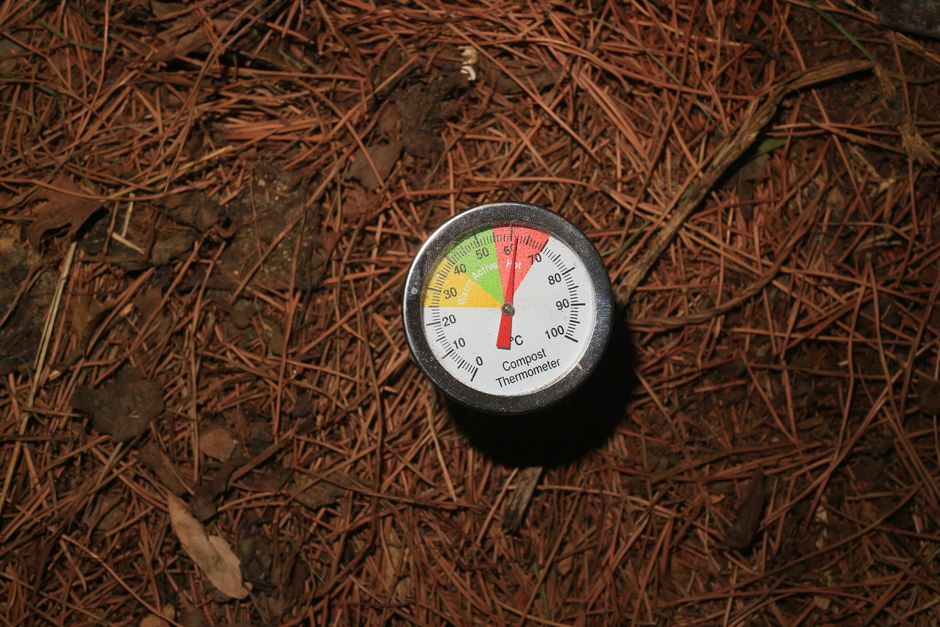
Analog (dial/bimetallic) thermometers have one genuine advantage: they're the easier type to physically recalibrate (turn a nut under the dial). They also have no batteries to die. For specific situations — leave-in oven use, large-dial readability from a distance — analog is worth considering.
For food safety-critical cooking, digital wins on accuracy. No contest.
How Each Type Works
Digital Thermometers
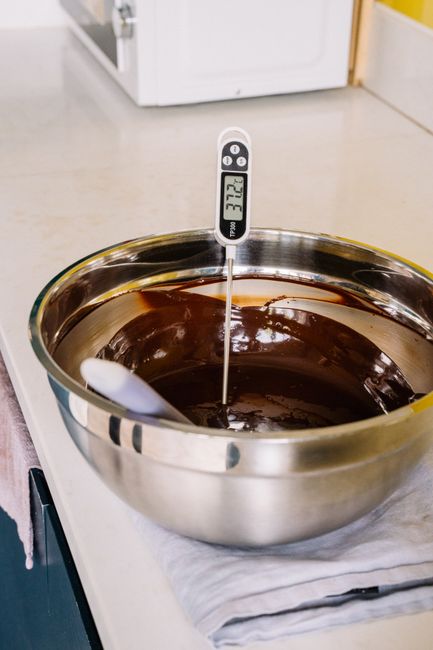
Digital thermometers use a thermocouple or thermistor to measure temperature. A thermocouple generates a small voltage that changes with temperature; the electronics convert that to a temperature reading. Response time: 1–4 seconds for good units. Accuracy: ±0.7°F to ±2°F depending on quality.
The sensor is at or very near the tip of the probe — typically within the first 1/4 inch. This means you get a reading from a very specific point, which is what you want when checking internal meat temperature.
Analog (Dial/Bimetallic) Thermometers
Analog thermometers use a coiled bimetallic strip that expands and contracts with temperature, moving a needle across a dial. The sensing element is distributed along the bottom 1.5–2 inches of the probe stem — not just the tip. Response time: 20–30 seconds to stabilize. Accuracy: typically ±2°F to ±5°F.
The distributed sensing element is both an advantage and a disadvantage: it averages temperature over a range, which can hide cold spots in the center of thick cuts. For thin cuts, the averaging can produce inaccurate results because the reading includes both the meat and the air above.
Accuracy Comparison
| Type | Typical Accuracy | Best Case | Drift Tendency |
|---|---|---|---|
| Digital (budget) | ±1–2°F | ±0.9°F (TP19H) | Low (mostly from physical damage) |
| Digital (premium) | ±0.7–1°F | ±0.7°F (Thermapen) | Very low |
| Analog (dial) | ±2–5°F | ±2°F (quality units) | Higher (heat cycling affects bimetallic strip) |
For chicken safety at 165°F, a ±5°F analog error could mean serving at 160°F. That's why digital thermometers are the standard recommendation for food safety verification.
The USDA safe minimum internal temperatures assume accurate measurement. A ±5°F error defeats the purpose of using a thermometer for food safety.
Read Speed Comparison
This is the most practical difference between the two types.
| Type | Read Time to Stabilize | Practical Implication |
|---|---|---|
| Digital instant-read | 1–4 seconds | Quick check, minimal heat loss, immediate decision |
| Analog (dial) | 20–30 seconds | Hold the lid open 30 sec, lose significant grill heat |
On a charcoal grill, holding the lid open for 30 seconds to wait for an analog thermometer to stabilize drops the grate temperature by 50–80°F. It takes another 5–10 minutes to recover. Over multiple checks, this meaningfully affects cook time and result consistency.

Side-by-Side Comparison Table
| Feature | Digital | Analog (Dial) |
|---|---|---|
| Accuracy | ±0.7–2°F | ±2–5°F |
| Read speed | 1–4 seconds | 20–30 seconds |
| Calibration method | Software offset (on better models) | Physical nut under dial — easy |
| Requires batteries | Yes | No |
| Display readability | Very precise (0.1°F) | Reading the needle ≈ ±2°F |
| Can stay in oven/grill | Only leave-in probe type | Yes (most dial types) |
| Drift frequency | Low | Higher (heat cycling) |
| Price range | $15–$100+ | $8–$40 |
| Food safety verification | Reliable at $15+ | Marginal (±5°F risk) |
When Analog Is the Better Choice
Leave-In Oven Use
Dial thermometers designed for oven use can sit in a roast throughout the entire cook without requiring batteries or electronics. The face is large enough to read through the oven door without opening it. For oven roasting when you don't want to buy a leave-in digital probe, a quality oven-safe dial thermometer (~$20–30) is a functional option.
Large-Format Displays
For cooks with vision impairments or anyone who needs to read a thermometer from across a kitchen, a 2-inch dial face is sometimes easier than a small digital display. Large-dial analog thermometers solve this problem without buying a specialized digital unit.
No Batteries Required
If you forget to keep spare batteries, or you're camping or in a situation without battery access, analog thermometers function indefinitely without power. This is a minor advantage but a real one in specific situations.
Easy Physical Recalibration
Analog thermometers have a calibration nut under the dial face. Pliers, 30 seconds, done. Most budget digital thermometers have no calibration offset function at all. If you care about recalibration and you have a budget-only digital unit, analog might actually be more calibration-friendly.
When Digital Is the Better Choice
Food Safety Verification
When accuracy matters for a health outcome — chicken, ground meat, cooking for immunocompromised individuals — digital is the clear choice. ±1°F vs. ±5°F is the difference between reliable verification and hopeful guessing.
Quick Checks on Hot Grills
2–4 seconds vs. 30 seconds. With the grill open. Case closed.
Thin Cuts and Fish
The distributed sensing element on analog probes (1.5–2 inches of stem) can't give accurate readings on thin cuts — the sensing range extends outside the meat. A digital thermometer with a tip sensor gives a precise reading from a single point.
Modern Convenience Features
Calibration offsets, hold functions, auto-rotating displays, Bluetooth connectivity — all digital. If these features matter to you, analog can't compete.
Common Mistakes
Reading an Analog Thermometer Too Early
The most common analog mistake. A dial thermometer takes 20–30 seconds to fully stabilize. Reading at 10 seconds gives a falsely low reading. This is particularly dangerous for chicken — you might think it's at 155°F when it's actually approaching 165°F, or vice versa, depending on whether the needle is still moving up or down.
Using a Dial Thermometer for Thin Cuts
A 1/2-inch chicken thigh and a 2-inch sensing element don't go together. The probe extends outside the meat, reading air temperature and skewing the result. Digital point sensors are the right tool for thin cuts.
Assuming Analog Is "Simpler" for Beginners
Analog thermometers are less forgiving: slower reads encourage early readings, harder to read precisely, more drift. For a beginner learning temperature habits, digital is actually simpler because the number is clear and fast.
Buying Analog for Price Savings
A $15 digital ThermoPro TP03 outperforms a $15 analog dial thermometer on accuracy, read speed, and reliability. The price-to-value equation does not favor analog at any price point for quick-read applications.
FAQ
Are analog thermometers ever as accurate as digital?
At the top end — professional bimetallic thermometers — they can achieve ±2°F. Consumer analog units typically run ±3–5°F and drift more with heat cycling than digital units. No consumer analog thermometer consistently matches the ±0.7–1°F of premium digital units.
Can an analog dial thermometer be used as a leave-in probe?
Yes — most large dial thermometers are designed for oven use and can stay in a roast throughout cooking. The advantage over leave-in digital probes is no batteries or cables. The disadvantage is less accuracy and no temperature alarm.
Why do analog thermometers drift more than digital?
The bimetallic strip in an analog thermometer is physically affected by repeated heat cycling — the metal fatigues slightly over many expansion/contraction cycles. Digital thermometers have solid-state sensors that aren't physically deformed by temperature changes. Digital drift is mostly from physical damage (drops), not from normal use.
Is the pop-up timer in my turkey an analog thermometer?
It's not a thermometer at all — it's a melting compound that releases a spring at a fixed temperature. Most pop-up timers activate at 180–185°F, which is 15–20°F above the USDA safe minimum of 165°F. Your turkey will be overcooked by the time it pops. Use a real thermometer.
Can I use an analog thermometer for deep frying?
Yes — large-dial candy/deep-fry thermometers are analog and work well for oil temperature (measuring the oil, not the meat). They're designed for immersion in high-temperature liquids and have large dials for readability. This is one area where analog remains the most practical option.
What's the best analog thermometer if I specifically want one?
For oven roasting and candy/frying: a CDN ProAccurate ($30–40) or ThermoWorks dial thermometer (~$40). For a basic dial thermometer: CDN DT450X. These are the quality tier where ±2°F accuracy is achievable with an analog unit. Avoid unbranded or very cheap dial thermometers — accuracy at that price tier is highly variable.
Recommended by Titan Grillers
IP67 Waterproof Digital Meat Thermometer
Reads in 2–3 seconds · Backlit LCD · Built-in magnet · Free returns
Free BBQ Calculators
Use our free tools to nail your cook times, temperatures, and quantities every time.
You Might Also Like


Join the Grill Masters Club
Get exclusive recipes, techniques and special offers on our premium meat thermometers.