Extending Your Meat Thermometer's Lifespan: Essential Care Tips (2025)
This practical guide provides essential care tips for extending the lifespan of meat thermometers, covering proper cleaning techniques, storage best practices, battery maintenance, calibration methods, and usage habits that prevent damage. The article naturally incorporates TITAN GRILLERS products while offering valuable advice that helps readers maximize their thermometer's longevity and performance.
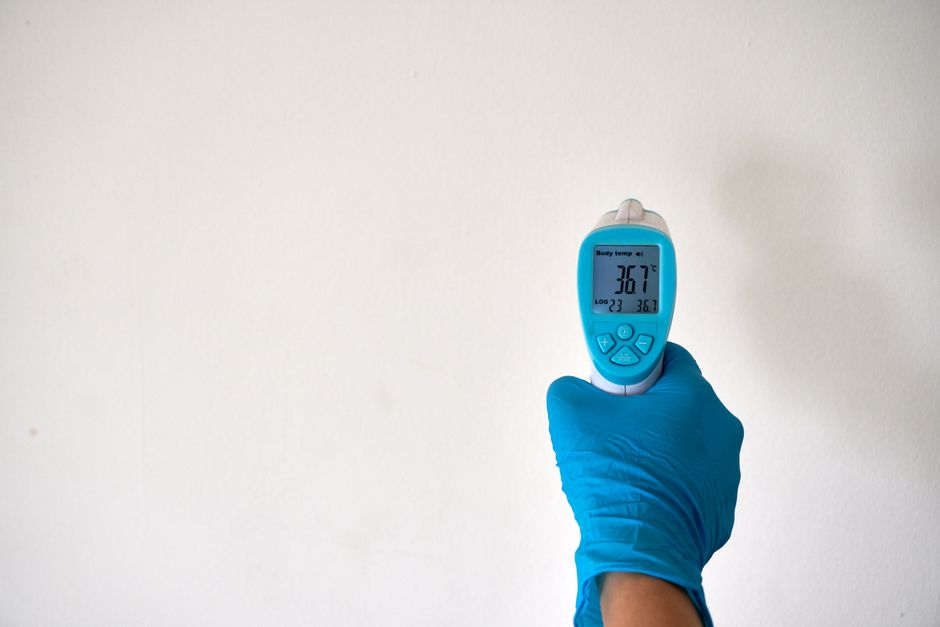
Most meat thermometers die early for one of three reasons: the probe gets bent and the sensor breaks, the housing gets moisture inside from improper cleaning, or the battery corrodes because someone left it in for a year. All three are preventable. Here's how to keep a $35 thermometer working for a decade instead of two seasons.

Why Thermometer Care Matters
A meat thermometer is a precision instrument. The sensor tip at the end of the probe is calibrated to read ±1–2°F. Abuse — dropping it, leaving it in a hot grill, cleaning with steel wool — shifts that calibration. A thermometer that used to read ±1°F can drift to ±4°F after 18 months of poor care.
Calibration drift means you're cooking with false confidence. Your chicken reads 165°F, but the actual temperature is 161°F. That's below the USDA safe minimum temperature for poultry. This is a real food safety issue, not a theoretical one.
Cross-contamination is the other problem. A probe that goes from raw chicken to cooked pork without cleaning is a contamination vector regardless of how hot the second piece of meat was. Clean the probe between uses on different proteins.
Equipment You Need for Care
| Item | Purpose | Cost |
|---|---|---|
| 70% isopropyl alcohol wipes | Between-use probe sanitization | $3–5 / 50 pack |
| Warm soapy water + soft cloth | Full post-cook cleaning | Household items |
| Ice + water (in a glass) | Ice water calibration test | Free |
| Original storage sleeve/sheath | Probe protection during storage | Included with thermometer |
| CR2032 spare batteries | Prevent corrosion from dead batteries | $5–8 for 5-pack |
Step-by-Step Cleaning Process
Between Uses (During Cook)
Wipe the probe with a 70% isopropyl alcohol prep pad between different proteins. Raw chicken to cooked pork: wipe the probe. The wipe takes 5 seconds. This is not optional from a food safety standpoint. The alcohol kills bacteria on contact and evaporates cleanly, leaving no residue that would affect your next temperature reading.
Post-Cook Cleaning (After Each Session)
Wipe the probe and housing with a soft cloth dampened with warm soapy water. For the probe, you can hold it under running water briefly — just avoid submerging the display unit unless you have an IP67-rated thermometer. Dry immediately and completely. Moisture sitting in seams or around battery compartments is how corrosion starts.
If the probe has stubborn residue (baked-on fat, sauces), soak just the probe end in warm soapy water for 2 minutes, then wipe clean with a soft cloth. No steel wool, no abrasive pads — these scratch the stainless steel and create surface irregularities that harbor bacteria and are harder to clean next time.
Monthly Deep Cleaning
Remove the battery and inspect the battery compartment for corrosion — white powder or greenish residue around the contacts. If you see any, clean with a cotton swab lightly dampened with white vinegar, let dry completely, replace battery. Clean the probe stem with a food-safe sanitizing solution (1 tablespoon bleach in 1 gallon water) and rinse with clean water. Dry completely before reassembly.

Calibration: How and When
Ice Water Test
Fill a glass with ice. Add cold water to the top of the ice and stir for 30 seconds. Insert the probe tip — not the shaft, just the tip — into the ice water. The reading should stabilize at 32°F (±1°F). If it reads 30–34°F, your thermometer is calibrated correctly. If it reads outside that range, consult your manual for the calibration/offset adjustment procedure — most digital thermometers have one.
Boiling Water Test
At sea level, boiling water is 212°F. Insert the probe into vigorously boiling water. Reading should be 210–214°F. If you're above sea level, adjust: subtract approximately 1°F per 500 ft of elevation (Denver at 5,280 ft = ~202°F boiling point). Both tests together give you a full calibration picture. A thermometer that passes ice water but fails boiling water (or vice versa) has a calibration problem worth fixing.
When to Calibrate
Before first use. After any drop or impact. Monthly if you use it regularly. Before any cook where precision matters — competition, holiday roasts, cooking for immunocompromised individuals. Calibration takes 3 minutes and eliminates guesswork.
When Calibration Doesn't Fix the Problem
If your thermometer is consistently off by more than 3–4°F and the calibration adjustment doesn't bring it back, the sensor has drifted beyond its useful range. Replace it. A $15 thermometer that's 4°F off is not a $15 thermometer anymore — it's a liability. For the 165°F chicken target, a 4°F off thermometer reading 165°F means actual temperature of 161°F — below safe serving temperature.
Proper Storage
The probe is the most vulnerable part. It's a metal tube with a sensor at the tip — bending or dropping it on the sensor end can shift the calibration or break the sensor entirely. Always store the probe in its protective sleeve or sheath when not in use. Most thermometers include one; if yours didn't, a small silicone probe cover works.
Store horizontally or probe-end down in a drawer slot — not probe-end up in a jar, which can allow lubricant or calibration fluid to shift in some designs. Dry before storing. Never store with a dead battery inside — a dead battery left in a thermometer for months will corrode and damage the contacts, requiring repair that costs more than replacing the thermometer.
Drawer storage in a kitchen cloth keeps the thermometer clean and protected. Dedicated thermometer cases are available for around $5 if you want extra protection — useful for travel to competitions or cooking events.
Common Care Mistakes
Leaving the thermometer inside a hot smoker or oven. Instant-read thermometers are not designed for sustained high-heat environments. The display unit will eventually fail if regularly exposed to 300°F+ ambient temperatures. Leave-in probe thermometers have heat-rated cables for a reason — instant-reads don't have that protection.
Using steel wool or abrasive cleaning pads on the probe. Scratches in the stainless steel probe surface create micro-grooves that trap bacteria. A soft cloth is the correct cleaning tool. For stuck residue, soak first.
Submerging a non-waterproof thermometer. Running a splash-resistant thermometer under the tap repeatedly will eventually breach the housing. Check your IP rating — if it's not IP67, wipe clean instead of rinsing.
Leaving dead batteries inside for weeks. A CR2032 that runs out in January and sits untouched until June will begin to leak alkaline electrolyte that corrodes the battery contacts. Remove batteries when you know you won't be cooking for an extended period. This is the number one cause of preventable thermometer failure.
Not checking calibration after dropping the unit. Impact can shift probe sensor calibration without any visible damage. If you drop your thermometer, run the ice water test before your next cook. It takes 2 minutes and catches the problem before it costs you a meal.
Pro Tips for Longevity
Keep alcohol wipes at the grill station. A small pack of isopropyl alcohol prep pads next to the grill means you'll actually use them between reads. If they're in the kitchen while you're outside at the grill, you won't bother. Convenience drives behavior — make the right behavior easy.
Set a monthly calendar reminder for calibration. Nobody spontaneously remembers to calibrate their thermometer. A monthly reminder takes 3 minutes and catches drift before it becomes a problem. The reminder cost is zero; an uncalibrated thermometer serving undercooked food has a real cost.
Know your replacement trigger. Even well-maintained thermometers drift over time. If your thermometer fails the ice water test by more than 3°F and adjustment doesn't fix it, replace it. A $15–34 replacement is cheap. The peace of mind is free. See USDA food safety guidelines for why calibrated thermometers matter.
Document your calibration results. Note the date and reading. If it reads 33°F in ice water in January, 33.5°F in March, and 35°F in May, you have a trend that tells you to replace it before it crosses the 34°F threshold. One reading tells you the current state; a series of readings tells you the trajectory.
FAQ
How often should I calibrate my meat thermometer?
Monthly if you use it regularly. Additionally: before first use, after any drop or impact, and before any cook where precision is critical. The ice water test takes 2–3 minutes and costs nothing. The cost of not calibrating can be overcooked expensive cuts or undercooked food served to guests.
Can I clean a meat thermometer in the dishwasher?
No. Even IP67 waterproof thermometers aren't designed for dishwasher heat cycles (up to 170°F) and detergent pressure. The heat can deform plastic components; the detergent and water pressure can breach seals not designed for that environment. Hand wash with warm soapy water and rinse by hand only.
What do I do if my thermometer reads wrong temperatures?
Run the ice water test first. If it reads outside 30–34°F, check your manual for the offset/calibration adjustment. Most thermometers have a physical or digital calibration adjustment. If adjustment brings it back within range, you're done. If it can't be adjusted back to within 2°F of correct, replace it.
How do I remove stuck-on grease from the probe?
Soak the probe tip in warm soapy water for 2–5 minutes. Wipe with a soft cloth. For stubborn carbon buildup, a cotton swab dipped in baking soda paste (baking soda + water) and gentle circular motion cleans without scratching. Avoid abrasive pads that scratch the stainless steel surface.
My thermometer got wet. What should I do?
If it's rated IP67, it's fine — dry it off and continue. If it's splash-resistant only and it got submerged or heavily wet: power it off immediately, remove the battery, place it in dry rice or a silica packet container for 24–48 hours. If it still doesn't work after drying, the moisture has reached the electronics and replacement is the only option.
How long should a meat thermometer last?
With proper care, 5–10 years is realistic for a quality digital instant-read. Budget thermometers used carelessly last 1–2 seasons. The calibration sensor is the first thing to drift — a thermometer that physically works but reads consistently inaccurate is done regardless of its physical condition. Test calibration annually and replace when accuracy degrades beyond 3°F.
Recommended by Titan Grillers
IP67 Waterproof Digital Meat Thermometer
Reads in 2–3 seconds · Backlit LCD · Built-in magnet · Free returns
Free BBQ Calculators
Use our free tools to nail your cook times, temperatures, and quantities every time.
You Might Also Like


Join the Grill Masters Club
Get exclusive recipes, techniques and special offers on our premium meat thermometers.